
An OUI arrest in Massachusetts triggers two cases at once: a criminal court case and an immediate license suspension through the Registry of Motor Vehicles (RMV). For many drivers, the license consequences begin before they ever step into a courtroom.
From the moment you are stopped, deadlines move quickly. Breath test refusals, RMV hearings, and court dates can arrive within days not weeks. Missing early opportunities can mean longer license suspensions and fewer defense options.
Attorney Anthony Riccio’s background as a former prosecutor provides insight into how OUI cases are built and where they can be challenged.
Early action matters. Speaking with a Massachusetts OUI attorney as soon as possible can help protect your license, preserve evidence, and position your case for the strongest possible outcome.
Massachusetts law uses the term Operating Under the Influence (OUI) to describe impaired driving offenses. While “DUI” and “DWI” are commonly used, they all refer to the same criminal charge under Massachusetts General Laws Chapter 90, Section 24.
A driver may be charged with OUI if their blood alcohol concentration is 0.08 percent or higher. For drivers under the age of 21, the legal limit is 0.02 percent, reflecting Massachusetts’ zero tolerance approach for underage drivers.
OUI charges are not limited to alcohol. A driver can also be charged if police believe impairment was caused by illegal drugs, prescription medication, or a combination of substances, even when no breath test is involved.
What this charge means in practice depends largely on the penalties involved, which vary based on prior offenses and the circumstances of the arrest.
An OUI conviction carries criminal penalties that increase with each offense. These penalties are imposed by the court and are separate from any license suspension handled by the Registry of Motor Vehicles.

Massachusetts OUI penalties are governed by Massachusetts General Laws Chapter 90, Section 24, and enhanced by Melanie’s Law for repeat and high risk offenders. Depending on the charge, consequences may include jail time, fines, probation, and mandatory treatment programs.
| Offense | Fines | Jail Time | Criminal Classification |
| 1st Offense | $500 to $5,000 | Up to 2.5 years | Misdemeanor |
| 2nd Offense | $600 to $10,000 | 30 days to 2.5 years | Misdemeanor |
| 3rd Offense | $1,000 to $15,000 | 150 days to 5 years | Felony |
| 4th Offense | $1,500 to $25,000 | 1 to 5 years | Felony |
| 5th Offense | $2,000 to $50,000 | 2 to 5 years | Felony |
Courts may also impose probation, mandatory alcohol education, ignition interlock requirements, and other conditions tailored to the facts of the case.
When an OUI involves an accident, serious injury, or death, prosecutors may pursue enhanced charges that carry significantly higher penalties. Understanding how the criminal court process works is critical before entering any plea or agreement.
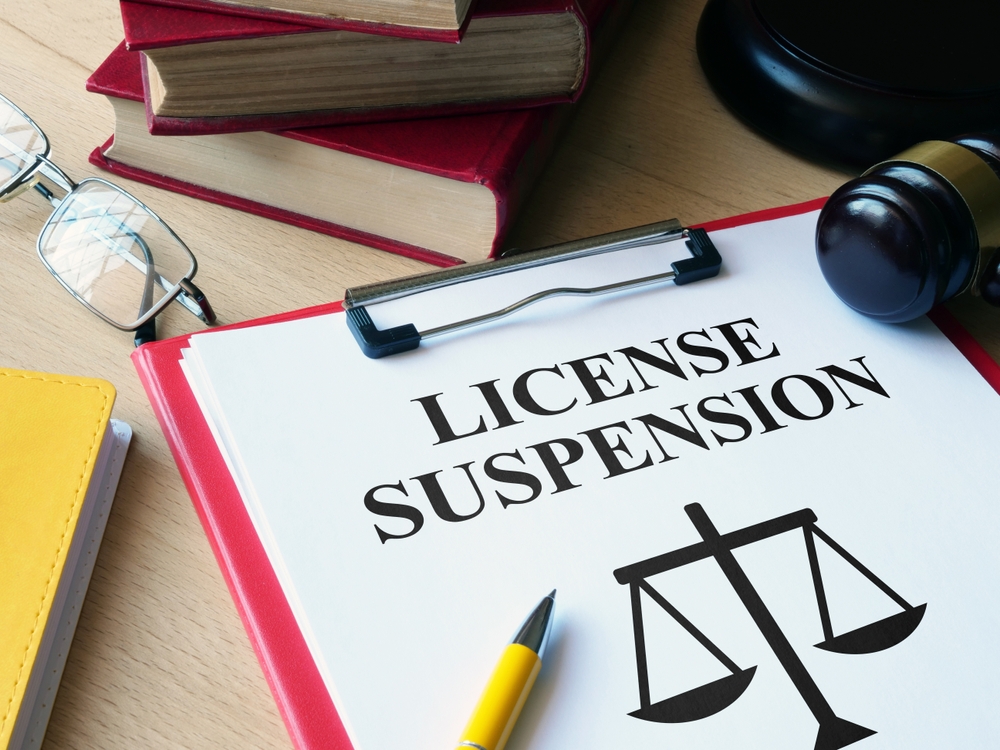
After an OUI arrest in Massachusetts, many drivers lose their license through the Registry of Motor Vehicles before their criminal case is resolved. This administrative process moves quickly and operates independently from the court system, making early action especially important.
Common situations that trigger an RMV suspension include:
What drivers should know right away:
Because RMV deadlines often arrive before the first court date, early legal guidance can be critical to protecting driving privileges.
OUI cases in Massachusetts are not all treated the same. The penalties, defenses, and long term consequences depend on the specific type of charge and the facts surrounding the arrest.
Common OUI charges we handle include:
Each of these charges presents its own set of challenges. A Massachusetts OUI lawyer can explain the specific penalties you face and the defenses that may apply to your case.
OUI cases in Massachusetts are built step by step by law enforcement, and each step matters. A strong defense begins with a close review of how the arrest and investigation were handled from start to finish.
This review often starts with the traffic stop. Police must have a lawful reason to stop a vehicle, and that decision can shape the entire case. From there, officers rely on field sobriety tests and personal observations, which are subjective and frequently influenced by factors unrelated to impairment.
Chemical testing raises additional issues. Breathalyzer results depend on proper calibration, certified operators, and strict testing procedures. Medical conditions, testing delays, and handling errors can all affect reliability and admissibility in court.
A Massachusetts DUI lawyer examines how evidence was gathered, preserved, and presented.
An OUI charge requires more than a generic defense strategy. It calls for an attorney who understands how these cases are investigated, charged, and prosecuted within Massachusetts courts and how local practices can affect the outcome.
At Riccio Law, clients work directly with Attorney Anthony Riccio. As a former prosecutor, he understands how the Commonwealth evaluates evidence and where OUI cases often weaken.
The firm represents clients in Quincy District Court and throughout Massachusetts, including the South Shore and Greater Boston. This local experience helps ensure cases are handled efficiently at every stage.
Recognized by Super Lawyers 2025, Riccio Law focuses on clear communication and strategies built around the facts of each case.
When your license, record, and future are at stake, choosing a Massachusetts OUI attorney with trial experience and direct involvement can make a meaningful difference.
At arraignment, the court formally reads the charges and sets conditions of release. This is not a trial, but early decisions can affect how the case proceeds.
An OUI conviction cannot be sealed or expunged under Massachusetts law. Avoiding a conviction is the only way to keep it off your record.
In some cases, yes. This depends on the evidence, prior record, and whether legal or procedural issues exist.
This depends on the type of suspension and whether you qualify for a hardship license through the RMV.
Some countries, including Canada, may restrict entry. Rules vary and should be checked before travel.
As soon as possible. Early representation helps protect your license and preserves defense options.
After a DUI or OUI arrest, time matters. Court dates and RMV deadlines begin quickly, and early decisions can affect your ability to drive and defend yourself.
At Riccio Law, you will speak directly with Attorney Anthony Riccio about your situation. He will explain the process, answer your questions, and take prompt steps to protect your rights and driving privileges.
If you are looking for a Massachusetts criminal defense attorney, contact Riccio Law today to schedule a confidential consultation and take the first step toward moving forward.