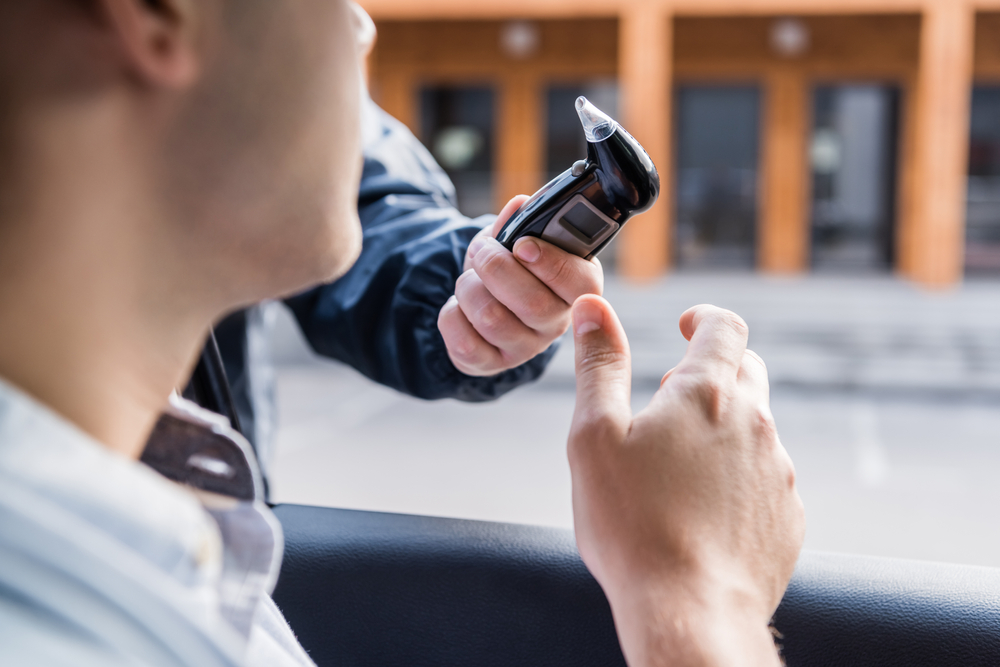
In Massachusetts OUI cases, a breathalyzer result often carries significant weight. A high reading can trigger an immediate license suspension, while a refusal can lead to even harsher penalties. Yet these tests are far from perfect. Mistakes in the device, improper procedures, or medical conditions can all affect results, and the consequences reach far beyond the roadside stop.
At Riccio Law, Attorney Anthony Riccio brings experience as a former prosecutor and recognition in Super Lawyers 2025 to defend clients in these high-stakes cases. His practice encompasses every aspect of OUI defense in Massachusetts, including the broader framework of DUI and OUI defense strategies that often determine the outcome of these cases.
Don’t wait and wonder what comes next. Call Riccio Law now and talk directly with Attorney Riccio about your case today.
In Massachusetts OUI cases, a breathalyzer is used to estimate a driver’s blood alcohol concentration (BAC). The device measures alcohol in a person’s breath and converts it into a BAC reading. A result of .08% or higher is the legal threshold for adult drivers, while lower limits apply for drivers under 21 and commercial drivers.
Although treated as scientific evidence, these machines are not foolproof. Everything from improper calibration to individual health conditions can affect the results. Courts in Massachusetts have acknowledged these issues, which is why breathalyzer evidence is not always decisive in an OUI case.
In Massachusetts, refusing a breathalyzer does not protect you from immediate consequences. The Registry of Motor Vehicles (RMV) imposes automatic suspensions under the state’s “implied consent” law, regardless of how the criminal case is resolved.
| Driver Category | First Refusal | One Prior OUI | Two Priors | Three or More Priors |
| Age 21 and older | 180 days | 3 years | 5 years | Lifetime suspension |
| Age 18–21 | 3 years + 180 days | 3 years + 180 days | 5 years + 180 days | Lifetime suspension |
| Under 18 | 4 years | 4 years | 6 years | Lifetime suspension |
Refusing the test often feels like the safer choice at the moment, but the license consequences are among the harshest in Massachusetts. Understanding how refusal penalties interact with the criminal case is crucial, as skilled defense counsel can significantly impact the outcome.
If you’re facing an OUI with a refusal suspension, Riccio Law can help you understand your options and protect both your license and your record.
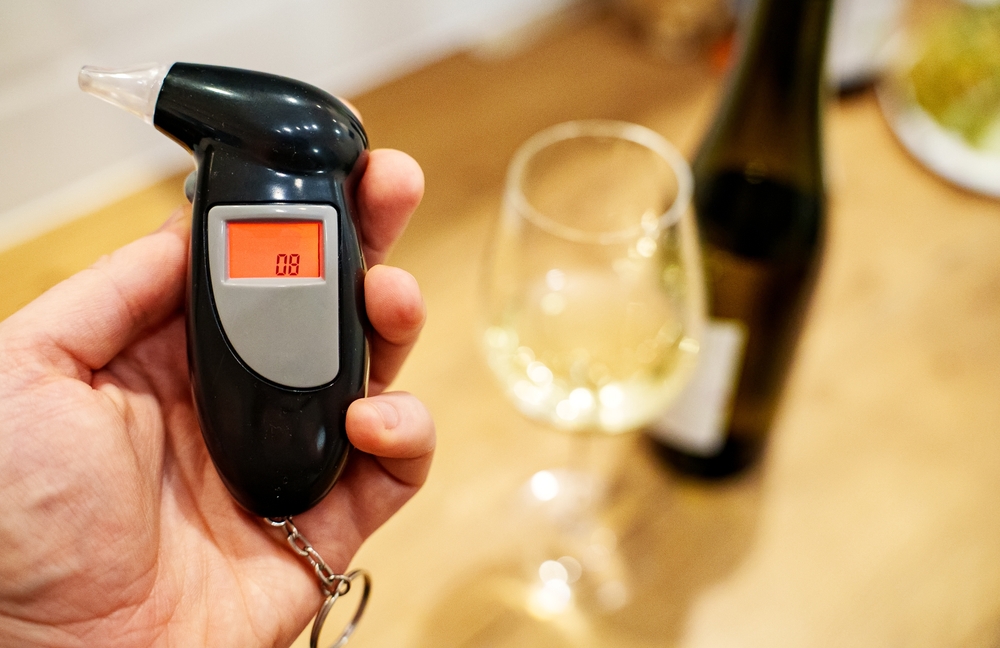
Breathalyzer results carry weight in OUI prosecutions, but they are not infallible. Even devices that meet NHTSA standards can produce flawed readings.
Known reliability issues include:
An experienced Massachusetts DUI attorney knows how to uncover these flaws and argue why a “failed” breath test may not be reliable evidence.
Breathalyzer results are not automatically admissible. Courts will review whether the evidence was lawfully obtained and whether the device and procedures were reliable.
Common grounds for suppression include:
When test results are excluded, the prosecution’s case often weakens significantly, creating opportunities for dismissal or favorable plea negotiations.
The decision to submit to a breath test is not a simple one. Each option carries serious consequences:
The choice should never be made lightly. Consulting with an expert Massachusetts criminal defense attorney early ensures that you understand the trade-offs and the best strategy for your specific situation.
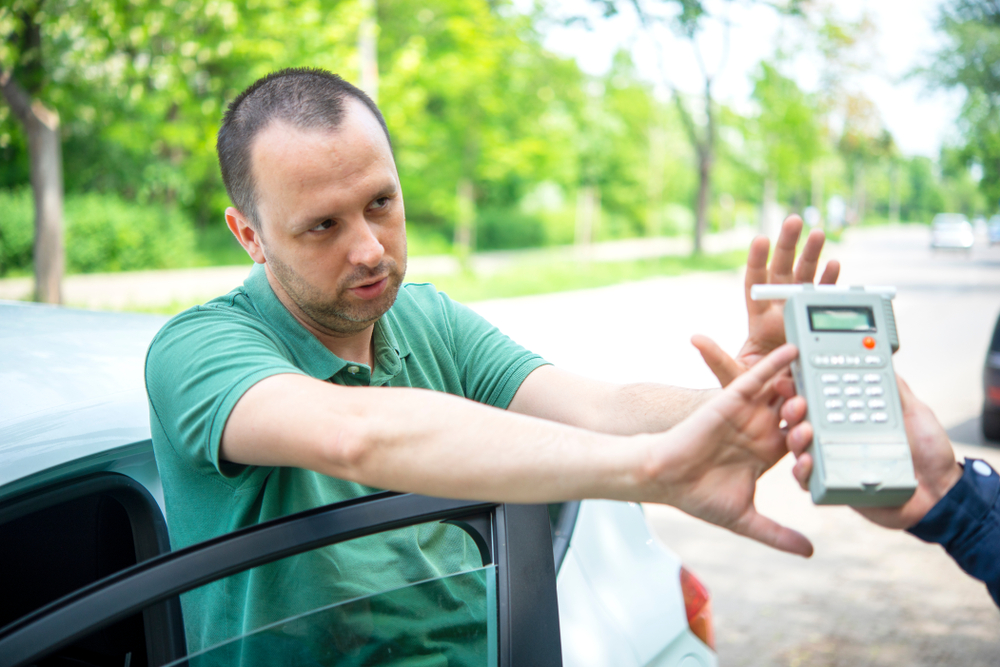
Breathalyzer results are not the end of the story. At Riccio Law, every case is approached with a focus on identifying weaknesses in the state’s evidence.
That may mean:
This targeted approach has helped many clients limit or exclude breath test evidence entirely.
When you’re facing OUI charges, the lawyer you choose matters as much as the evidence.
Clients turn to Riccio Law because:
When your future is on the line, you need more than representation; you need guidance you can trust.
Yes. If the machine records an insufficient sample, officers may treat it as a refusal, even if you attempted the test.
No. Only official breath tests at the station are admissible. Roadside tests may justify an arrest, but generally can’t be used as evidence.
Yes. Acid reflux, diabetes, or certain medications can alter readings and create results unrelated to alcohol impairment.
The prosecution’s case often weakens significantly, sometimes leading to dismissals, reduced charges, or better plea offers.
Yes. A driver may challenge the suspension, but strict deadlines apply, and appeals are often complex. Legal help is critical.
Breathalyzer cases in Massachusetts leave little room for delay. A refusal can result in the immediate loss of your license, and faulty test results can unfairly impact your future. Acting quickly gives you the best chance to protect your rights.
At Riccio Law, you speak directly with Attorney Anthony Riccio from the very first call. You get clear answers, a focused plan, and a lawyer who knows how to fight these cases in local courts.
Take control of your defense today. Contact now to schedule a confidential consultation and begin protecting your license, record, and future.